
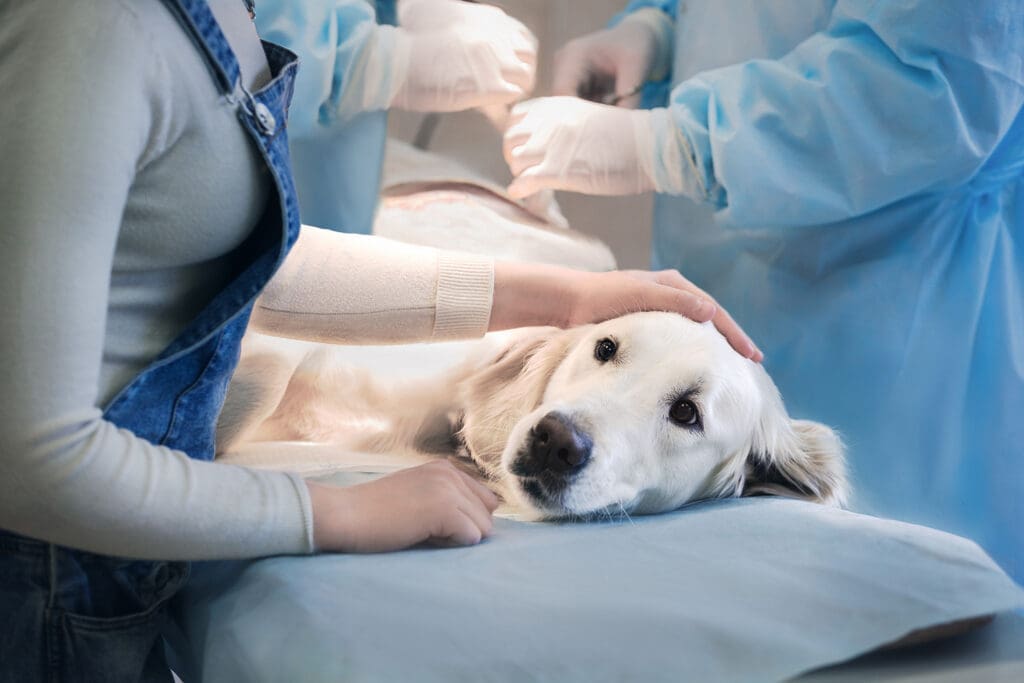
Hearing that your pet needs surgery can bring a wave of worry. You might find yourself wondering what happens next, whether your pet will be okay, and what you need to do to help. That uncertainty is completely normal, and you are not alone in feeling it.
The good news is that most pets do well when their owners are informed and prepared. Understanding the full process, from preparing your pet for surgery to supporting pet surgery recovery at home, puts you in a strong position to make a real difference in how your pet heals. At Catoctin Veterinary Clinic, we walk alongside you at every step. This guide covers everything you need to know about pet surgery so you can feel confident and ready going in.
Preparing Your Pet for Surgery: What to Do in the Days Before
Preparing your pet for surgery starts well before you arrive at the clinic. Your veterinary team will provide instructions specific to your pet, but here is what most pet owners can expect.
Follow the fasting guidelines. Most pets need to stop eating the night before the procedure. This reduces the risk of complications during anesthesia. Make sure everyone in your household knows not to offer food or treats, even small ones.
Review medications with your vet. Some medications need to be paused before surgery, while others should continue as normal. When you receive your pre-op instructions, confirm which ones are safe to give on the morning of the procedure.
Write down your questions ahead of time. Before surgery day, take a few minutes to note anything on your mind. Ask how long the procedure will take, what type of anesthesia will be used, and when you can expect an update from the clinic. There are no small questions when it comes to your pet’s health, and your care team is there to help you feel fully informed.
On Surgery Day: What Happens at the Clinic
When you bring your pet in on the day of the procedure, the team will walk you through check-in and confirm all the details. Your pet will receive a pre-anesthetic exam to confirm they are stable and ready to proceed.
Throughout the procedure, your pet receives close, attentive surgical care from trained staff who monitor heart rate, blood pressure, oxygen levels, and temperature the entire time. You will not be in the room, but your pet is never left unattended. Every patient at Catoctin Veterinary Clinic is treated with the same attention and care we would want for our own animals.
After the procedure, your pet moves into a monitored recovery area where the team watches closely as the anesthesia wears off. You will receive a post-surgical update as soon as your pet is awake and stable, because we know you are waiting and want to hear that everything went well.
Supporting Your Pet Through Surgery Recovery at Home
Your role becomes most important once your pet comes home. How consistently you follow through on your postoperative instructions directly shapes how smoothly your pet’s surgery recovery goes.
Care for the surgical site. Keep the surgical site clean and dry. Check the incision daily for signs of swelling, redness, or unusual discharge. If your vet recommends an e-collar, use it consistently, even when you are home and watching your pet. It only takes a moment of licking or chewing to cause a setback.
Honor the activity restrictions. Once your pet starts feeling better, it can be tempting to let them move freely. But internal healing takes longer than external healing, and following activity restrictions protects the repair. Limit running, jumping, and stairs for as long as your veterinarian advises, even if your pet seems back to normal.
Administer pain medication as directed. Your veterinarian will send your pet home with a pain management plan. Give all medications exactly as prescribed, on schedule, and for the full duration recommended. Do not substitute with over-the-counter human pain relievers. Many common medications, including ibuprofen and acetaminophen, are toxic to cats and dogs.
Ease back into eating. Offer small amounts of water and a light meal once you are home. Some pets feel a little nauseous after anesthesia, which is normal. If your pet refuses food for more than 24 hours, contact your vet.
Red Flags: When to Call the Clinic
Part of a smooth pet surgery recovery is knowing when something needs attention. Contact Catoctin Veterinary Clinic right away if you notice any of the following:
- Excessive swelling, bleeding, or discharge at the incision
- Vomiting or diarrhea that does not resolve within a day
- Loss of appetite lasting more than 24 hours
- Labored breathing or extreme lethargy
- Pain that does not appear controlled by prescribed medication
- Sutures that are open or have come out
Trust your instincts. If something feels off, it is always better to call and check.
Ready to Give Your Pet the Care They Deserve?
Preparing your pet for surgery and staying engaged through their pet surgery recovery is one of the most meaningful things you can do as a pet owner. When you follow your care team’s guidance and stay attentive during recovery, you give your pet the best possible chance at a full, comfortable return to the life they love.
If your veterinarian has recommended surgery or you have questions about an upcoming procedure, we are here to help. Schedule a consultation with the team at Catoctin Veterinary Clinic in Leesburg, Virginia, and let us walk through the process together.
