
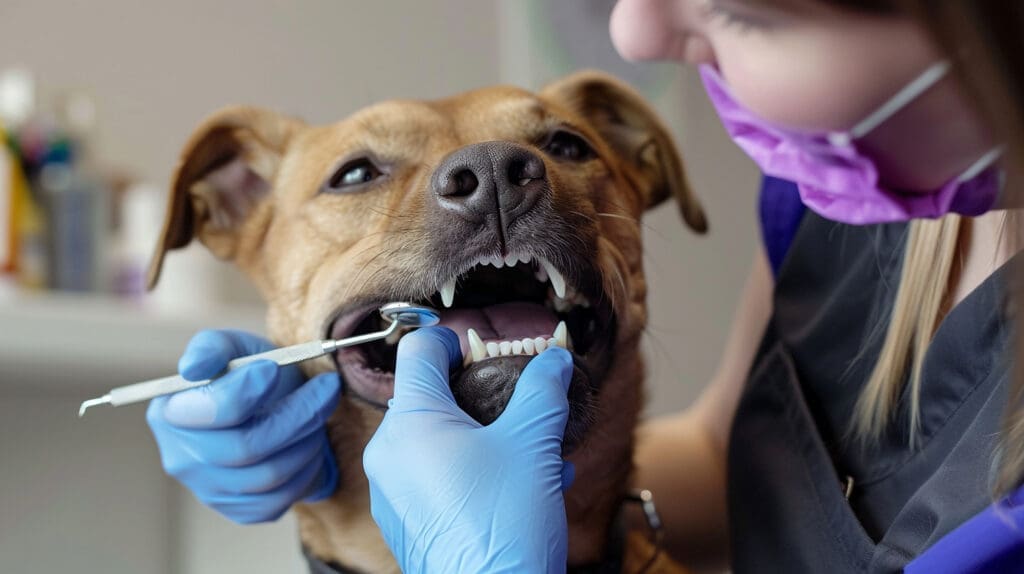
Your pet cannot tell you when their mouth hurts. That is what makes dental health for pets one of the most important and most overlooked parts of routine care. By the time most owners notice something is wrong, dental problems are already causing discomfort and, in some cases, affecting your pet’s overall well-being.
The good news is that dental disease is largely preventable. With the right at-home habits and routine professional care, you can protect your pet’s teeth, keep them comfortable, and avoid more serious health complications down the road.
Why Dental Disease Is More Common Than Most Owners Realize
Dental disease is one of the most common health conditions veterinarians see in both dogs and cats. Most pets show signs of periodontal disease by the time they reach three years of age. And because pets rarely show obvious signs of oral pain until a condition is advanced, problems often go unnoticed for longer than they should.
The process starts with plaque, a soft film of bacteria that forms on teeth after eating. When plaque is not removed, it hardens into tartar. Over time, that tartar buildup leads to gingivitis, an inflammation of the gums, and eventually periodontal disease, which damages the tissues and bone that support the teeth.
Left untreated, periodontal disease can cause:
- Chronic oral pain
- Tooth loss
- Difficulty eating
- Bacterial spread that can affect the heart, kidneys, or liver
Pet dental health is directly connected to your pet’s overall well-being, not separate from it.
Warning Signs to Watch for at Home
Because pets instinctively hide discomfort, you may need to look closely to catch problems early. Bad breath in pets is often the first sign owners notice, and while it may seem minor, it is frequently an indicator of underlying dental disease. Contact your veterinarian if you also notice:
- Drooling more than usual, especially if it is a new behavior
- Pawing at the mouth or face
- Reluctance to eat, chewing on one side, or dropping food
- Red, swollen, or bleeding gums
- Yellow or brown buildup on the teeth, particularly near the gumline
- Behavior changes such as increased irritability or withdrawal
For cat owners, watch for a condition called tooth resorption, where the tooth structure breaks down at the gumline. It is painful and often invisible without dental X-rays, which is one reason professional exams are so important.
If your pet is showing any of the signs above, do not wait for the next routine visit. Schedule an exam as soon as possible. Early intervention leads to better outcomes.
At-Home Pet Dental Care: Building a Realistic Routine
At-home pet dental care will not replace professional cleanings, but it is one of the most effective tools you have for slowing the progression of dental disease between visits.
Brushing a pet’s teeth is the gold standard. Aim for daily brushing if possible. Even three to four times per week makes a meaningful difference. Use a soft-bristled toothbrush and toothpaste formulated specifically for pets. Never use human toothpaste, as it contains ingredients that are toxic to animals.
If your pet is not comfortable with brushing right away, start slow. Let them taste the toothpaste, then gradually introduce the brush over several sessions. Most pets adjust with patience and positive reinforcement.
Beyond brushing, several additional tools can support cat dental care and dog dental care at home:
- Dental chews approved by the Veterinary Oral Health Council (VOHC)
- Dental diets are designed to reduce plaque and tartar buildup
- Water additives or oral rinses formulated for pets
These are helpful additions that support dental health for pets, but they are not a replacement for brushing.
What to Expect During a Professional Pet Teeth Cleaning
A professional pet teeth cleaning involves much more than removing visible tartar. At Catoctin Veterinary Clinic, your pet’s dental visit includes a thorough oral examination to assess the health of each tooth and the surrounding tissue.
Cleanings are performed under general anesthesia. This allows your veterinarian to safely and thoroughly clean below the gumline, where most dental disease develops, and eliminates the stress a fully awake pet would experience during the procedure.
Dental X-rays are often recommended as part of the process. A significant portion of each tooth lies beneath the gumline and cannot be assessed visually. X-rays help your veterinarian identify bone loss, root damage, or tooth resorption before they become severe problems.
Treatment recommendations are always individualized based on your pet’s age, overall health, and exam findings.
How Often Does Your Pet Need a Dental Exam?
For most dogs and cats, a professional dental exam is recommended at least once a year. Some pets, particularly small-breed dogs, older animals, or breeds prone to dental disease, may benefit from more frequent care.
The best way to know what is right for your pet is to ask at your next wellness visit. Your veterinarian can assess your pet’s current oral health and build a preventive care plan tailored to their specific needs.
Protecting Your Pet’s Smile Starts Today
Dental disease is common, but it is not inevitable. With consistent at-home habits, awareness of early warning signs, and routine professional cleanings, your pet can maintain a healthy mouth throughout their life.
Dental health for pets is a key part of helping them stay comfortable, active, and happy at every age. If it has been a while since your pet’s last dental exam, or if you have noticed any signs of oral discomfort, now is a good time to schedule an appointment. Our team at Catoctin Veterinary Clinic is here to help!
