
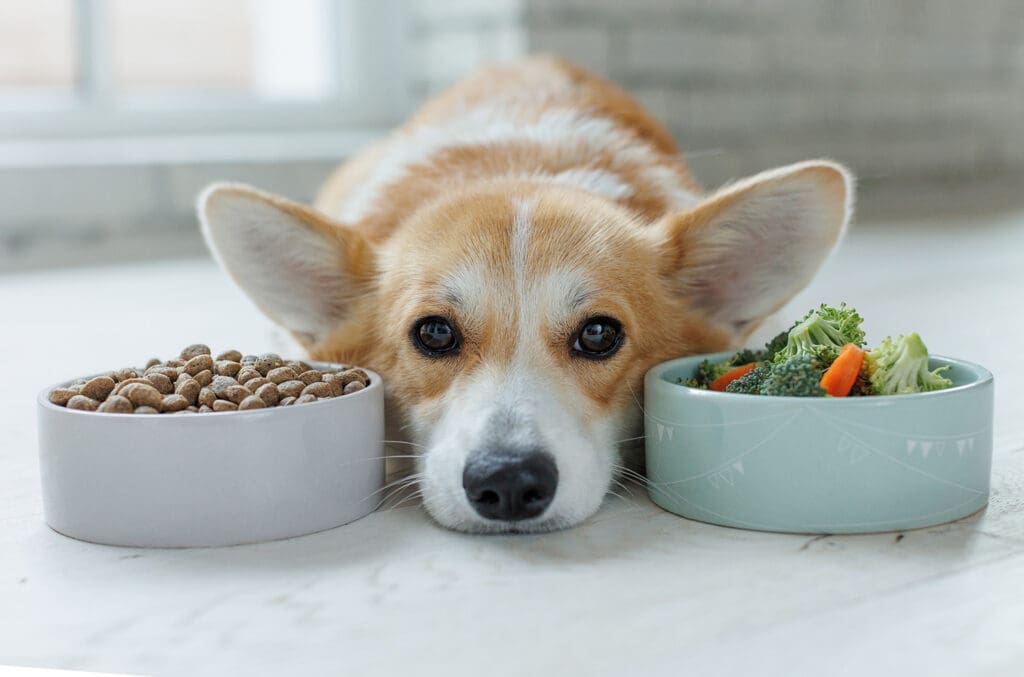
Your kitchen is one of the most dangerous rooms in your home for your pet. The foods sitting in your pantry, refrigerator, and on your countertops every day may look harmless, but for dogs and cats, some of them can cause serious illness or worse. As a pet owner, knowing which foods are toxic to dogs and cats is one of the most important things you can do to protect your furry family member.
Pet poisoning from everyday human food is more common than most people realize. The good news is that awareness goes a long way. The more you know, the better you can protect your pet before an emergency happens.
Foods You Should Never Give Your Pet
Many of the foods that are perfectly safe for you can be genuinely dangerous for your dog or cat. Some cause mild stomach upset, while others can lead to kidney failure, internal bleeding, or worse. Here is a closer look at the most common offenders you may already have in your home.
Chocolate
Chocolate is one of the most well-known toxic food items for pets, and for good reason. It contains theobromine and caffeine, both of which dogs and cats cannot metabolize the way humans do. Even small amounts can cause vomiting, diarrhea, rapid breathing, muscle tremors, and seizures. Dark chocolate and baking chocolate are especially dangerous because they contain higher concentrations of theobromine.
If you have chocolate in the house, keep it stored somewhere your pet cannot access, and make sure everyone in your household knows not to share it.
Grapes and Raisins
You may not think twice about leaving grapes on the counter, but even a small handful can trigger acute kidney failure in dogs. The exact toxic compound is still not fully understood, which makes grapes and raisins particularly concerning because there is no established “safe” amount. If your dog eats any grapes or raisins, treat it as an emergency.
Another common source of hidden raisins is baked goods, so be cautious with oatmeal cookies, trail mix, and cereals.
Onions, Garlic, and Chives
Garlic and chives, along with onions, are a serious hazard for both dogs and cats. These foods belong to the allium family and contain compounds that cause red blood cell damage, leading to a condition called hemolytic anemia. Symptoms may not appear right away, which means your pet could seem fine initially while the damage builds internally. Watch for weakness, pale gums, reduced appetite, and reddish-brown urine.
This applies to all forms, including raw, cooked, powdered, and any foods seasoned with these ingredients.
Xylitol
Xylitol is a sugar substitute found in many products, including sugar-free gum, candy, peanut butter, and certain baked goods. For dogs, xylitol is extremely toxic. It triggers a rapid release of insulin, causing blood sugar levels to drop dangerously low. It can also cause liver failure. Always read ingredient labels before giving your dog any human food, especially products marketed as “sugar-free.”
Peanut butter is a popular treat for dogs, but some brands now contain xylitol, so checking the label every time is worth the extra step.
Alcohol
Even small amounts of alcohol can cause serious problems for pets. Alcohol affects a pet’s brain and liver much more quickly than it affects a human. Signs of alcohol poisoning include vomiting, disorientation, low body temperature, and difficulty breathing. Keep beverages, cooking wines, and any foods made with alcohol well out of reach.
This also includes foods like rum cake, wine-braised dishes, or anything prepared with alcohol as an ingredient.
Avocado
Avocado contains a substance called persin, which can cause vomiting and diarrhea in dogs and cats. While the flesh is the least toxic part, the skin, pit, and leaves contain higher concentrations. The large pit also poses a serious choking and intestinal blockage risk.
If you enjoy avocado regularly, be sure to dispose of the skin and pit securely so your pet cannot get to them.
Macadamia Nuts
Macadamia nuts are toxic to dogs, though the exact mechanism is not yet fully understood. Even a small amount can cause weakness, vomiting, tremors, and fever. Symptoms typically appear within 12 hours of ingestion.
Because macadamia nuts often appear in cookies, trail mix, and chocolate-covered snacks, it is worth being especially cautious during holidays and gatherings when these treats are more likely to be within reach.
What to Do If Your Pet Eats Something Toxic
If you believe your pet has eaten any of these foods, do not wait for symptoms to appear. Time matters.
Here is what to do immediately:
- Stay calm and act quickly. Collect any packaging or information about what your pet ate and how much.
- Call your veterinarian or animal poison control. The ASPCA Animal Poison Control Center is available 24/7.
- Do not try to induce vomiting on your own. Unless directed by a veterinarian or animal poison control, do not attempt to induce vomiting. Some substances can cause additional harm if vomited back up.
- Get to a veterinary clinic. If your vet advises emergency care, go immediately.
The faster you act, the better your pet’s chances of a full recovery. Even if you are not sure how much your pet consumed, calling your vet right away is always the right move. Do not wait to see how your pet feels.
Prevention Starts at Home
The best way to protect your pet is to pet-proof your home before an accident occurs. Store toxic foods in closed cabinets or the refrigerator. Be mindful during holidays and gatherings when food is more accessible. Let guests know not to share food with your pet, and keep trash cans covered or secured.
Teaching children in your household about pet food safety is also important. Many poisoning cases happen because a well-meaning family member simply did not know the risk.
Ready to Give Your Pet the Protection They Deserve?
You do not need to wait for an emergency to talk with our team. If you have questions about what is safe for your pet to eat, we are here to help. At Catoctin Veterinary Clinic, we believe that informed pet owners raise healthier, happier pets. Knowing which foods are toxic to dogs and cats, and understanding what to do if something goes wrong, is a critical part of responsible pet ownership.
Pet poisoning can happen to any family. But with the right knowledge and a trusted veterinary partner, you can reduce that risk significantly.
Schedule a consultation with Catoctin Veterinary Clinic today. Whether you have questions about your pet’s diet, need a wellness exam, or want to talk through home safety for your dog or cat, our team in Leesburg, Virginia, is here for you. Call us or book an appointment online.
